Introduction
Building a practical wardrobe does not mean buying a large number of clothes or following every new fashion trend. The secret to dressing well throughout the year is choosing versatile, comfortable, and timeless clothing items that suit different seasons and occasions. From lightweight T-shirts and breathable summer dresses to cozy sweaters, warm jackets, and waterproof outerwear, the right wardrobe essentials can help you stay comfortable while looking stylish in changing weather.
Every season brings different clothing needs. Summer usually calls for lightweight fabrics and relaxed outfits, while winter requires warm layers and suitable outerwear. Spring and autumn often involve changing temperatures, making versatile layers particularly useful. By planning your wardrobe around these seasonal requirements, you can create more outfit combinations, avoid unnecessary shopping, and get better value from the clothes you already own.
In this guide, we explore the must-have clothing items for every season, explain how to combine them into stylish outfits, and share practical tips for building an affordable wardrobe. Whether you prefer minimalist fashion, casual clothing, office wear, or modern everyday outfits, these wardrobe essentials can help you dress confidently throughout the year.
Why Every Wardrobe Needs Seasonal Essentials
Seasonal wardrobe essentials are clothing items that help you dress comfortably and appropriately throughout the year. They include everyday basics, layering pieces, weather-appropriate outerwear, and a few versatile items for formal or special occasions. Instead of purchasing completely different wardrobes for each season, you can build a collection of clothing that works together and adapts to changing temperatures.
For example, a basic T-shirt can be worn with shorts during summer, layered under a cardigan in spring, or combined with a jacket during cooler weather. Jeans can be styled with lightweight shirts in warmer months and with sweaters or coats when temperatures drop. Choosing clothing that can be worn in several ways helps reduce unnecessary purchases.
A well-planned wardrobe also saves time when getting dressed. When your clothing items coordinate in color, fit, and style, it becomes easier to create attractive outfits without spending too much time deciding what to wear. The goal is to balance comfort, practicality, personal style, and affordability.
Summer Wardrobe Essentials for Warm Weather
Summer clothing should help you stay comfortable during warm temperatures. Lightweight fabrics, relaxed fits, and breathable designs are useful choices for everyday wear, holidays, outdoor activities, and casual occasions. The best summer wardrobe depends on your local climate, lifestyle, and personal preferences.
Lightweight T-Shirts and Tops
Basic T-shirts are among the most versatile summer wardrobe essentials. Cotton and other comfortable, breathable fabrics can be suitable for everyday wear, although the best fabric depends on the garment’s construction and your activity level. Plain white, black, beige, and other neutral T-shirts can be combined with jeans, shorts, skirts, and lightweight trousers.
You can also add a few tops in your favorite colors or patterns to make your summer outfits more interesting. A fitted top can work well with wide-leg trousers, while a relaxed T-shirt can be paired with denim shorts or a casual skirt. Choosing pieces that coordinate with several existing items helps you create more outfits with fewer purchases.
Shorts and Lightweight Trousers
Shorts are practical for hot weather, vacations, and casual activities. Denim shorts provide a classic everyday option, while cotton or linen-blend shorts may offer a lighter alternative. Choose a length and fit that allow you to move comfortably and feel confident.
Lightweight trousers are another useful option, especially for people who prefer more coverage. Relaxed trousers can be paired with basic tops, button-down shirts, and comfortable sandals. Neutral colors often provide more styling flexibility, while colorful trousers can add a distinctive touch to simple outfits.
Summer Dresses and Skirts
Dresses can make summer styling easy because they provide a complete outfit in one piece. Casual cotton dresses, shirt dresses, and lightweight midi dresses are useful options for everyday activities, shopping trips, holidays, and relaxed gatherings.
Skirts can also be combined with T-shirts, blouses, and lightweight sweaters. Choose fabrics and cuts that suit the weather and the occasions for which you intend to wear them. A simple dress or skirt can be styled differently with sneakers, sandals, flats, or a light jacket.
Lightweight Layers
Even during summer, a lightweight layer can be useful in air-conditioned offices, on flights, or during cooler evenings. A thin cardigan, linen shirt, or lightweight jacket can be carried easily and added when needed. Selecting a versatile layer in a neutral color can help you coordinate it with several outfits.
Spring Wardrobe Essentials for Changing Temperatures
Spring often brings a mix of warm afternoons, cool mornings, and occasional rain. A spring wardrobe should therefore focus on adaptable layers, comfortable trousers, and lightweight outerwear. Rather than wearing heavy winter clothing throughout the season, choose pieces that can be added or removed as temperatures change.
Lightweight Jackets and Cardigans
A lightweight jacket is one of the most useful spring essentials. Denim jackets, casual bombers, and simple zip-up jackets can be worn over T-shirts, dresses, and shirts. They provide an extra layer without the weight of a heavy winter coat.
Cardigans are another practical choice because they can be worn indoors or outdoors and removed easily when the weather warms up. A neutral cardigan can complement jeans, dresses, tailored trousers, and skirts. If your wardrobe already contains several neutral basics, a cardigan in a favorite color can add variety.
Button-Down Shirts
Button-down shirts work well during spring because they can be styled in different ways. Wear one with jeans for a casual outfit, tuck it into trousers for a more polished appearance, or leave it open over a basic T-shirt as a lightweight layer.
White, blue, beige, and striped shirts are useful starting points, but you can choose any colors that suit your personal style. Pay attention to fabric and fit so the shirt remains comfortable when worn alone or layered over another top.
Straight-Leg Jeans and Everyday Trousers
Spring is a good time to wear versatile bottoms that work with both light and warm layers. Straight-leg jeans, relaxed trousers, and comfortable chinos can be combined with shirts, T-shirts, cardigans, and lightweight jackets.
Choose clothing that fits comfortably and allows you to move freely. A pair of well-fitting jeans can be worn repeatedly with different tops, making it a useful foundation for everyday outfits.
Practical Footwear and Rain Protection
Spring weather can be unpredictable in some regions, so comfortable footwear and a light rain layer may be helpful. Closed-toe sneakers, loafers, or weather-appropriate shoes can work for everyday outings. A compact umbrella or lightweight water-resistant jacket is worth considering where rainfall is common.
Always adapt your wardrobe to your local weather. Spring conditions vary significantly between regions, so you may need warmer layers in one location and mostly lightweight clothing in another.
Autumn Wardrobe Essentials for Layering
Autumn often brings cooler temperatures and changing weather, making it a useful season for combining summer basics with warmer layers. A practical autumn wardrobe includes long-sleeved tops, sweaters, jeans, midweight jackets, and comfortable closed-toe footwear.
Long-Sleeved Tops
Long-sleeved T-shirts and lightweight tops are useful transition pieces. They can be worn alone on mild days or underneath sweaters, cardigans, and jackets when temperatures fall. Neutral colors are easy to coordinate, while striped or textured tops can introduce variety.
A long-sleeved top can be paired with jeans and sneakers for a casual look or worn with tailored trousers and a blazer for a more refined outfit. Choosing a few pieces in different colors can help you create several combinations without filling your wardrobe with duplicates.
Sweaters and Knitwear
Sweaters provide warmth and texture during cooler weather. Lightweight knits can be worn on their own or layered over shirts, while thicker sweaters may be more suitable when temperatures become colder. The material, thickness, and care requirements should be considered before buying.
For a simple autumn outfit, pair a sweater with straight-leg jeans and boots or sneakers. You can also wear a fine-knit top with tailored trousers for a smart casual look. A cardigan offers additional flexibility because it can be opened or removed when the temperature changes.
Midweight Jackets
A denim jacket, bomber jacket, or simple utility jacket can be practical for autumn. These pieces often provide enough warmth for mild weather without being as heavy as a winter coat. Choose an option that works with the clothes you already own and leaves room for layering underneath.
When selecting a jacket, check shoulder fit, sleeve length, fastening quality, and pocket placement. A jacket that matches several outfits is usually more versatile than one that works with only a single look.
Boots and Closed-Toe Shoes
As the weather cools, many people prefer footwear that offers more coverage. Ankle boots, suitable casual shoes, and closed-toe sneakers can complement autumn clothing. Select footwear according to local conditions, walking needs, and comfort.
If rainfall is common, consider materials and soles that are appropriate for wet conditions. Proper care and storage can also help extend the usable life of your shoes.
Winter Wardrobe Essentials for Cold Weather
Winter clothing should provide warmth while allowing comfortable movement. Depending on your climate, winter essentials may include thermal base layers, sweaters, warm trousers, coats, scarves, gloves, and weather-appropriate footwear. People living in milder regions may need only a few extra layers, while colder climates may require more specialized clothing.
Warm Sweaters and Thermal Layers
Sweaters are useful winter staples because they can be worn with jeans, trousers, skirts, and other everyday clothing. Wool and some wool-blend fabrics can provide warmth, while other knit materials may also work well depending on their construction.
Thermal tops and leggings can add an extra layer under regular clothing in cold conditions. Choose fabrics that feel comfortable against your skin and suit your planned activities. Dressing in layers can make it easier to adjust your clothing when moving between cold outdoor spaces and heated indoor environments.
Winter Coats and Jackets
A suitable winter coat is an important investment if you regularly experience cold weather. Options include insulated jackets, wool coats, parkas, and other outerwear designed for different temperatures and conditions.
Consider the climate, length of outdoor exposure, and activities for which you will use the coat. A coat for daily commuting may need different features from one intended for outdoor recreation. Check the fit over a sweater, the quality of fastenings, pocket placement, and any weather-protection claims.
Neutral outerwear in black, navy, gray, beige, or brown can coordinate with many outfits. However, a colorful coat can also make a useful statement piece if it matches your style.
Warm Trousers and Comfortable Bottoms
Jeans, thicker trousers, and suitable lined bottoms can help provide comfort in colder weather. The most appropriate choice depends on the temperature and the materials available. In particularly cold conditions, wearing a thermal layer underneath regular trousers may offer additional warmth.
Choose bottoms that coordinate with your winter sweaters, shirts, and coats. A few versatile pairs can provide enough variety for everyday wear without requiring a large collection.
Scarves, Gloves, and Other Accessories
Accessories can make a practical difference during cold weather. Scarves, gloves, warm socks, and hats can provide additional coverage where needed. Select pieces that complement your outerwear and are suitable for your local winter conditions.
These accessories can also refresh familiar outfits without requiring you to buy new clothing. A scarf in a contrasting color, for example, can add interest to a neutral coat and sweater combination.
Essential Clothing Items That Work in Every Season
Some wardrobe pieces remain useful throughout the year because they can be combined with different layers and accessories. These items form the foundation of a versatile wardrobe and help reduce the need for constant seasonal shopping.
Basic T-Shirts
Plain T-shirts are suitable for everyday outfits and layering. They can be worn with shorts and skirts in summer or beneath sweaters, cardigans, and jackets during cooler months. Choose comfortable fabrics, suitable fits, and colors that coordinate with your wardrobe.
Jeans and Versatile Trousers
Well-fitting jeans can be styled for casual outings, travel, and relaxed social occasions. Tailored trousers or comfortable casual pants provide an alternative for work and more polished settings. Selecting bottoms that coordinate with multiple tops can make outfit planning much easier.
A Classic Button-Down Shirt
A versatile button-down shirt works well with jeans, skirts, and tailored trousers. It can be worn alone, tucked in, layered over a T-shirt, or combined with a cardigan. Neutral and classic patterns can be useful for both casual and smart casual outfits.
A Lightweight Cardigan
A cardigan can serve as a transitional layer during spring and autumn and may be worn indoors in colder months. It is easy to remove when temperatures change and can be combined with dresses, T-shirts, shirts, and trousers.
A Versatile Jacket
A well-chosen jacket can make simple clothing look more complete and provide practical coverage in changing weather. Select a style that suits your climate and can be worn with several outfits.
Clothing for Work and Special Occasions
Many wardrobes benefit from at least one outfit suitable for work meetings, celebrations, interviews, or other formal occasions. This could include a dress, a coordinated suit, tailored trousers with a smart shirt, or another outfit appropriate to your needs.
You do not need separate clothing for every event. Choosing versatile formal pieces and changing accessories can help you create different looks from the same garments.
How to Build a Capsule Wardrobe for Every Season
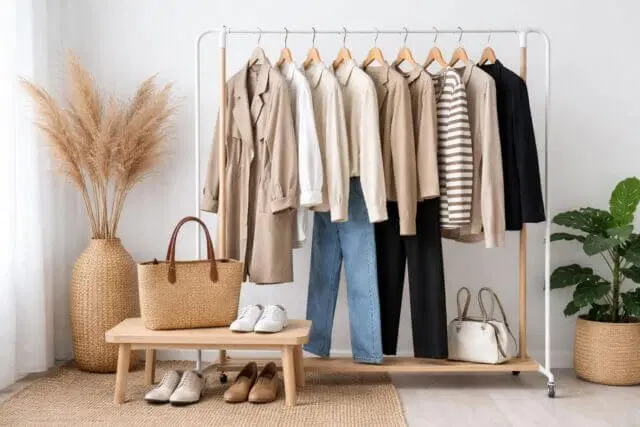
A capsule wardrobe is a carefully selected collection of clothing items that coordinate with one another. It focuses on versatility rather than quantity, helping you create multiple outfits using a smaller number of useful pieces.
Start by reviewing your existing wardrobe. Separate the items you wear regularly from those that no longer fit, are damaged, or rarely suit your lifestyle. Identify the basic pieces you already own and determine what is genuinely missing.
Next, choose a flexible color palette. Neutral colors such as white, black, navy, gray, beige, and denim blue can be combined easily, while one or two accent colors can add personality. You do not have to limit yourself to neutrals; the key is choosing colors that work well together.
Think about your everyday activities. If you work in a professional setting, prioritize suitable shirts, trousers, blazers, or other workwear. If your lifestyle is mostly casual, focus on comfortable tops, jeans, practical footwear, and appropriate outerwear. A capsule wardrobe should support your real needs rather than follow a fixed shopping list.
Finally, add seasonal items when the weather changes. You may store heavy winter layers during warmer months and bring them back when needed, while keeping versatile basics accessible throughout the year.
Choose the Right Fabrics for Every Season
Fabric choice affects how clothing feels, performs, and lasts. Understanding basic fabric characteristics can help you select items that suit your climate and lifestyle.
Cotton is widely used for T-shirts, shirts, dresses, and other everyday clothing. Linen and lightweight cotton garments may feel comfortable in warm weather, although comfort depends on weave, thickness, and fit. Some synthetic fabrics are designed to dry quickly or manage moisture, making them useful for exercise and certain outdoor activities.
For cooler weather, knitwear and insulating fabrics can help retain warmth. Wool and some wool blends are common options, while fleece and other synthetic materials may offer lightweight insulation. Layering can improve comfort because you can add or remove garments as conditions change.
Always check fabric labels and care instructions. Some materials need gentle washing or special drying methods. Choosing clothes you can care for properly may help maintain their appearance and extend their useful life.
How to Shop for Wardrobe Essentials on a Budget
Building a seasonal wardrobe does not have to be expensive. The best approach is to prioritize essential pieces, compare options, and avoid purchasing clothes simply because they are trendy or heavily discounted.
Before shopping, create a list of items you need and set a realistic spending limit. Check your wardrobe for items that can be repaired, restyled, or combined in new ways. You may discover that you need only one missing layer rather than an entirely new outfit.
Compare prices across reputable retailers and review fabric composition, stitching, sizing information, and customer feedback. A lower price can be attractive, but the item should still provide the quality, comfort, and fit you expect.
Seasonal sales and clearance offers can help you save money when you already know what you need. End-of-season promotions may be particularly useful for buying timeless pieces in advance. However, always check whether the product is available in your size and whether the return policy allows exchanges or refunds.
You can also look for legitimate clothing coupons, discount codes, and retailer promotions. Before completing an order, compare the final checkout price, including shipping and any other applicable charges.
Find Clothing Deals, Coupons, and Promo Codes
Online shopping makes it easier to compare wardrobe essentials from different clothing brands. Many retailers promote welcome offers, seasonal discounts, clearance deals, and limited-time codes. These promotions can help you save money on basics such as T-shirts, jeans, sweaters, dresses, and jackets.
Websites such as instantdealsoffer can be a useful starting point when searching for listed clothing deals, coupon codes, and promo offers. Browse the available offers, check the conditions, and visit the retailer’s checkout page to confirm whether the selected code applies to your purchase.
Pay attention to minimum spending requirements, eligible product categories, expiration dates, and restrictions on sale items. A coupon may work only on selected collections or for first-time customers, so reviewing the offer terms is important.
Compare the final price rather than focusing only on the advertised percentage discount. A code that offers a smaller discount may provide better value if it works on the exact item you need and does not require unnecessary spending. Always choose products based on your actual wardrobe needs, not merely because a promotion is available.
Common Wardrobe Mistakes to Avoid
One common mistake is buying too many trend-based items that cannot be combined with existing clothes. Before purchasing a new piece, consider whether you can create several outfits with it. Versatile items generally offer more styling opportunities than garments suited to only one occasion.
Another mistake is ignoring the weather. A wardrobe full of attractive clothing may still be impractical if it does not include suitable layers, comfortable shoes, or appropriate outerwear. Review your local seasonal conditions and buy pieces that support the way you actually live.
Choosing the wrong size can also lead to wasted money. Check size charts when shopping online and compare measurements with clothes that fit you comfortably. Read the return policy before ordering, particularly when buying from a new retailer.
Finally, avoid replacing clothing unnecessarily. Small repairs, proper washing, and suitable storage can help extend the useful life of many garments. When an item no longer fits your style, consider whether it can be restyled or passed on rather than immediately buying a replacement.
How to Keep Your Wardrobe Organized Throughout the Year
Organizing your wardrobe makes it easier to see what you own and avoid purchasing duplicates. Arrange clothing by category, such as tops, trousers, dresses, sweaters, jackets, and occasionwear. You can also group items by season or color if that makes daily outfit planning easier.
At the start of each season, review your clothing and check which pieces are still suitable. Repair loose buttons or small stitching problems where practical, and separate items that no longer fit or meet your needs. Clean garments before storing them for an extended period and follow the care instructions to protect the fabric.
Store seasonal items in a clean, dry place that suits their material. Some clothing benefits from folding rather than hanging, while heavier garments may need sturdy hangers. Keep frequently worn essentials accessible so you can create outfits quickly.
A regular wardrobe review can also help you plan future shopping. When you know exactly which items are missing, you are more likely to spend money on useful purchases rather than buying duplicate pieces.
Conclusion
Creating a wardrobe for every season is about choosing clothing that combines comfort, versatility, and personal style. Summer basics such as breathable tops, shorts, and dresses help you stay comfortable in warm weather, while spring and autumn layers make it easier to adapt to changing temperatures. Winter sweaters, coats, thermal layers, and suitable accessories provide additional warmth when needed.
Timeless essentials such as T-shirts, jeans, button-down shirts, cardigans, and versatile jackets can be worn throughout the year when styled appropriately. By building a capsule wardrobe, choosing suitable fabrics, and taking proper care of your clothing, you can create more outfit combinations while reducing unnecessary spending.
Shopping strategically can make the process more affordable. Compare prices, plan seasonal purchases, explore clearance offers, and look for legitimate clothing coupons and promotional codes. You can use instantdealsoffer as a starting point for finding listed clothing deals, but always confirm the offer’s terms and final price with the retailer before buying.
The ideal wardrobe is not necessarily the largest or most expensive one. It is the collection of clothing that fits your lifestyle, suits your local climate, and helps you feel comfortable and confident throughout the year.