Introduction
Fashion is constantly evolving, bringing new styles, colors, fabrics, and outfit combinations that allow people to express their personalities. In 2026, clothing trends offer plenty of inspiration for anyone who wants to refresh their wardrobe, experiment with modern looks, or create stylish everyday outfits. From relaxed tailoring and timeless denim to bold colors, minimalist basics, and comfortable casual wear, this year’s fashion offers options for different tastes, lifestyles, and budgets.
One of the best things about modern fashion is that you do not need to replace your entire wardrobe to look stylish. A few carefully selected pieces can help you create multiple outfits for work, casual outings, special occasions, and weekend activities. Combining classic clothing with a few trend-inspired items can also help you maintain a personal style without spending too much money.
In this guide, we explore the top clothing trends for 2026, including essential wardrobe pieces, popular outfit combinations, seasonal fashion ideas, and practical shopping tips. Whether you prefer elegant outfits, sporty streetwear, or relaxed everyday clothing, these ideas can help you build a wardrobe that looks fashionable and feels comfortable.
Relaxed Tailoring for a Modern Look
Relaxed tailoring continues to be a useful style direction for people who want clothing that looks polished without feeling restrictive. Instead of relying entirely on tight-fitting or highly structured garments, this look combines clean lines with comfortable cuts. Relaxed blazers, wide-leg trousers, oversized shirts, and lightweight suit sets can create outfits that feel contemporary and versatile.
For a smart casual outfit, pair a relaxed blazer with a plain T-shirt, straight-leg jeans, and loafers or clean sneakers. For a more formal appearance, wear tailored trousers with a fitted top or a crisp button-down shirt. Neutral shades such as black, navy, beige, gray, and cream make these pieces easier to coordinate.
The main advantage of relaxed tailoring is versatility. A blazer can work for office meetings, dinner plans, and casual events, depending on how you style it. Choosing clothing that fits your shoulders and overall proportions well can help oversized silhouettes look intentional rather than simply too large.
Wide-Leg Pants and Comfortable Trousers
Wide-leg pants are a practical wardrobe option for people who want a balance between comfort and style. Their flowing shape creates a relaxed silhouette and can be worn with casual tops, formal shirts, sweaters, and fitted jackets. Depending on the fabric and cut, wide-leg trousers can suit office environments, weekend outings, and evening occasions.
For a casual look, pair wide-leg jeans with a fitted T-shirt and sneakers. For work, choose tailored trousers with a tucked-in shirt, a lightweight blouse, or a structured blazer. During cooler weather, a knit sweater and ankle boots can create a comfortable outfit with a polished finish.
When selecting wide-leg trousers, pay attention to the length, waist fit, and fabric. High-waisted styles may work well with tucked-in tops, while cropped versions can pair nicely with sneakers or loafers. You do not need to follow one particular silhouette to be fashionable; choose a cut that suits your comfort and personal preferences.
Denim Remains an Everyday Essential
Denim continues to be one of the most versatile clothing choices because it can be styled in countless ways. Straight-leg jeans, relaxed-fit denim, denim jackets, skirts, and coordinated denim pieces can all help create outfits for different occasions. Classic blue denim remains easy to wear, while black, gray, white, and other washes offer additional styling options.
For an everyday outfit, combine straight-leg jeans with a basic T-shirt and sneakers. To create a more polished look, add a blazer, a belt, and loafers. A denim jacket can be layered over a dress or paired with trousers and a simple top. For a coordinated outfit, a denim shirt and jeans in complementary washes can create a balanced appearance.
Quality and fit matter when buying denim. Look for comfortable fabric, durable stitching, and a cut that allows you to move easily. Instead of purchasing several similar pairs, consider choosing one or two versatile styles that work with the clothing you already own.
Minimalist Clothing and Timeless Basics
Minimalist fashion focuses on simple designs, versatile colors, clean silhouettes, and clothing that can be worn repeatedly. Rather than depending on large logos or complicated patterns, this approach emphasizes fit, fabric, and thoughtful combinations. It is especially useful for people who want a practical wardrobe that remains wearable beyond a single season.
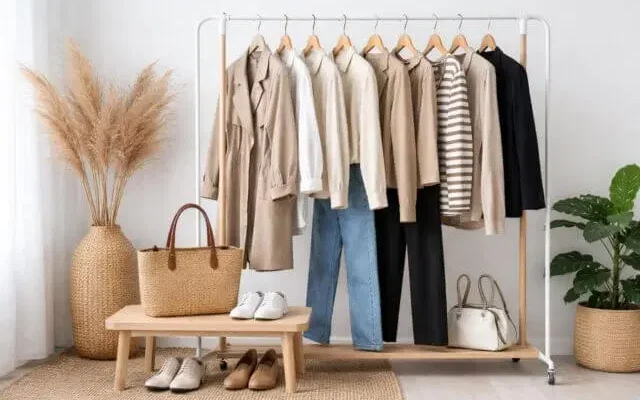
Useful minimalist essentials include plain T-shirts, button-down shirts, straight-leg jeans, tailored trousers, neutral sweaters, simple dresses, and versatile outerwear. Colors such as white, black, navy, gray, beige, and brown can be combined easily, although adding a favorite color can make the wardrobe feel more personal.
A simple outfit might include a white shirt, black trousers, and loafers. For a relaxed weekend, try a neutral T-shirt with jeans and sneakers. For colder days, add a cardigan or a structured coat. These basic combinations can look stylish without requiring a large collection of clothing.
Minimalist fashion can also help reduce unnecessary spending. When most items coordinate with one another, it becomes easier to create new outfits from pieces you already own.
Bold Colors and Statement Pieces
While neutral clothing remains versatile, bold colors offer a way to make outfits more expressive. Bright tops, colorful trousers, statement jackets, patterned skirts, and eye-catching accessories can add personality to an otherwise simple wardrobe. The most suitable colors depend on your preferences, the occasion, and what you enjoy wearing.
If you are new to bold colors, start with one statement piece at a time. For example, combine a bright top with black trousers or wear colorful sneakers with a neutral outfit. If you prefer more adventurous styling, you can experiment with complementary colors, coordinated sets, or different shades of the same color.
Prints and patterns can also help create interesting outfits. Stripes, florals, geometric patterns, and abstract designs can be used as focal points. To keep the outfit balanced, pair a patterned garment with simpler pieces that do not compete for attention.
Fashion should be enjoyable rather than restrictive. You do not have to wear every popular color to stay stylish. Choosing shades that make you feel confident is often more useful than following a trend simply because it is widely promoted.
Comfortable Casual Wear and Elevated Basics
Comfortable clothing remains important for everyday life, particularly for people who work from home, travel frequently, or spend much of their day moving between different activities. Soft T-shirts, relaxed trousers, knitwear, comfortable jeans, and coordinated casual sets can provide an easy foundation for daily outfits.
The key to making casual clothing look polished is to pay attention to fit, fabric, and condition. A clean T-shirt, well-fitting jeans, and neat sneakers can create a simple but attractive outfit. Adding a structured jacket, a quality belt, or a coordinated bag can make the same clothing feel more put together.
Matching lounge sets can be useful for relaxing at home or running quick errands, depending on their design and the setting. Breathable fabrics may be especially comfortable in warmer weather, while soft knits and layering pieces can be useful in cooler conditions.
When shopping for casual wear, consider how frequently you will use each item. Comfortable basics that can be combined in several ways often provide better value than highly specific pieces that work with only one outfit.
Knitwear and Layering for Everyday Style
Knitwear is a useful part of a wardrobe because it can add warmth, texture, and visual interest. Lightweight cardigans, knitted tops, pullovers, and sweater dresses can be worn alone or layered with other clothing. Their usefulness depends on the material, thickness, and local climate.
For a relaxed outfit, combine a lightweight sweater with jeans and sneakers. For a more formal appearance, wear a fine-knit top with tailored trousers and a structured jacket. Cardigans can also be layered over shirts, dresses, or basic tops to create additional outfit combinations.
Layering works best when each piece has a clear purpose. A lightweight base layer, a comfortable middle layer, and an outer layer suitable for the weather can make it easier to adjust your clothing throughout the day. Different textures, such as cotton, denim, and knitwear, can create depth without requiring bright colors or complicated patterns.
Check fabric care instructions before purchasing knitwear. Some materials require gentle washing or careful storage to maintain their shape. Choosing items that fit your lifestyle can help you get more use from them.
Statement Jackets and Versatile Outerwear
Outerwear can transform a basic outfit into a more complete look. Denim jackets, trench coats, lightweight bombers, leather or faux-leather jackets, and structured blazers are useful options for different seasons and personal styles.
A trench coat can work well over office clothing or casual jeans. A denim jacket can add a relaxed finish to dresses, skirts, and trousers. A bomber jacket may suit sporty or streetwear-inspired outfits, while a blazer can make simple clothing look more polished.
When buying a jacket, consider the climate where you live, the clothing you already own, and how often you expect to wear it. Neutral outerwear is often easy to coordinate, while a brightly colored or patterned jacket can become the main feature of an outfit.
Fit is important, especially if you plan to wear sweaters or other layers underneath. Check sleeve length, shoulder fit, fastening quality, and pocket placement before making a purchase. A versatile jacket that works across several outfits can be a worthwhile wardrobe investment.
Athleisure and Sporty Streetwear
Athleisure combines elements of athletic clothing with everyday fashion. Leggings, joggers, hoodies, sweatshirts, athletic-inspired tops, and comfortable sneakers are common pieces in this style. Sporty streetwear often adds relaxed outerwear, graphic T-shirts, caps, and statement footwear.
For a simple athleisure outfit, pair joggers with a clean sweatshirt and comfortable sneakers. Leggings can be combined with a longer top or lightweight jacket, depending on your preferred fit. To create a more structured look, choose coordinated colors and make sure your clothing is suitable for the activity you plan to do.
Fabric is especially important for athletic clothing. Stretch, breathability, moisture management, and durability can affect comfort during exercise and everyday wear. If you intend to use an item for workouts, check whether its construction and material suit that purpose.
You can also style sporty pieces with everyday basics. For example, a simple hoodie can be worn with straight-leg jeans, while clean sneakers can complement tailored trousers. The result is a relaxed look that can be adapted to different settings.
Dresses and Easy One-Piece Outfits
Dresses offer a convenient way to create a complete outfit with minimal effort. Shirt dresses, casual day dresses, knit dresses, midi dresses, and occasionwear provide different options depending on the season and event. A simple dress can often be styled in several ways by changing shoes, accessories, and outerwear.
For a casual daytime outfit, wear a comfortable dress with sneakers or flat sandals. For a more formal occasion, pair a suitable dress with heels, dress shoes, or elegant accessories. A cardigan or jacket can make a dress more practical in changing weather.
When choosing a dress, consider length, fabric, movement, and comfort. Breathable materials may be useful during warm weather, while knit or heavier fabrics can work well in cooler conditions. Always consider the occasion and any relevant dress code.
You do not need a large number of dresses to maintain a versatile wardrobe. One or two styles that suit your lifestyle and can be accessorized differently may offer more value than several pieces worn only once.
Seasonal Clothing Trends and Smart Wardrobe Planning
Clothing needs change with the seasons, making wardrobe planning a practical way to stay comfortable and avoid unnecessary purchases. During warmer months, lightweight shirts, breathable tops, relaxed trousers, shorts, skirts, and dresses may be useful. In colder weather, sweaters, coats, long-sleeved tops, layering pieces, and suitable footwear become more important.
Transitional seasons often call for clothing that can be layered easily. A lightweight jacket, cardigan, long-sleeved shirt, or versatile pair of trousers can help you adapt to changes in temperature throughout the day.
Before shopping for a new season, review the clothing you already own. Identify any genuine gaps, check which items still fit, and consider whether older pieces can be styled differently. A simple wardrobe plan can help you avoid buying duplicates or items that do not coordinate with your existing clothing.
It is also useful to think about your actual routine. Someone who works in an office may need more formal separates, while someone who spends most of the day outdoors may prioritize comfortable and weather-appropriate clothing. The best seasonal wardrobe is one that suits your lifestyle rather than one built entirely around passing trends.
How to Build a Stylish Wardrobe on a Budget
Looking fashionable does not require buying expensive designer clothing. A budget-friendly wardrobe can be built by focusing on versatile items, thoughtful purchases, and clothing that lasts. Start by identifying your preferred style and choosing a few colors that coordinate well with one another.
Create a shopping list before browsing online stores or visiting retail shops. Prioritize essentials such as well-fitting jeans, basic tops, comfortable shoes, suitable outerwear, and a few pieces that reflect your personal style. This approach helps prevent impulse purchases and makes it easier to compare products.
Pay attention to quality as well as price. Check stitching, fabric composition, buttons, zippers, care instructions, and customer reviews when available. A very low price may not represent good value if an item wears out quickly or does not fit properly.
You can also look for end-of-season sales, clearance offers, multi-item promotions, and legitimate discount codes. Shopping during promotional periods may help you save money, but only when the items are genuinely needed and the final price is worthwhile.
Find Clothing Deals, Coupons, and Promo Codes
Online shopping can make it easier to compare styles, sizes, prices, and brands. Before placing an order, review the retailer’s delivery costs, return policy, size guide, and product details. Customer reviews and photographs may provide additional information about fit and fabric, although individual experiences can vary.
Coupon websites such as instantdealsoffer can be useful starting points when searching for clothing discount codes, seasonal promotions, and special offers. Before using a code, check its expiration date, minimum spending requirement, eligible products, and any restrictions on sale items. Some promotions apply only to selected collections or first-time customers.
It is worth comparing the final checkout price instead of focusing only on the advertised discount. A larger percentage off does not always mean the lowest total cost if shipping fees are high or the product is more expensive than a similar item elsewhere.
Consider signing up for retailer newsletters if you genuinely want updates from a particular brand. Some stores offer welcome discounts or early access to promotions, but review the subscription terms and unsubscribe if the messages are no longer useful.
Common Fashion Shopping Mistakes to Avoid
One common mistake is buying clothing simply because it is trending. A fashionable item may look appealing online but may not suit your lifestyle, preferred fit, or existing wardrobe. Before buying it, consider at least two or three outfits you could create with the item.
Another mistake is choosing the wrong size based only on the size label. Sizing can differ between brands, so review the measurements provided by the retailer and compare them with clothing that fits you well. If you are shopping online, check the return and exchange policy before placing your order.
Ignoring fabric care instructions can also reduce the lifespan of clothing. Some garments need gentle washing, air drying, or special care to maintain their appearance. Following the care label can help protect your purchase.
Finally, avoid assuming that a sale always represents a bargain. Compare prices, check the quality, and calculate the total cost, including delivery. The most useful purchase is one that fits well, suits your style, and will be worn regularly.
Conclusion
The top clothing trends for 2026 offer plenty of ways to create stylish outfits without sacrificing comfort or practicality. Relaxed tailoring, wide-leg trousers, versatile denim, minimalist basics, statement colors, comfortable casual wear, knitwear, and adaptable outerwear can all contribute to a modern wardrobe. Dresses and sporty pieces also provide convenient options for different occasions and lifestyles.
The key to dressing well is not following every trend. Instead, focus on clothing that fits comfortably, coordinates with items you already own, and reflects your personal preferences. By planning purchases carefully, choosing versatile pieces, and looking for legitimate clothing deals, you can refresh your wardrobe while keeping spending under control.
For shoppers who want to explore savings opportunities, instantdealsoffer can be a helpful place to look for listed clothing coupons, promo codes, and promotional offers. Always confirm the terms at checkout before completing an order. With a thoughtful approach to shopping and styling, you can enjoy the fashion trends of 2026 while building a wardrobe that works for everyday life.