Introduction
Maintaining good health starts at home. Having the right health and wellness products readily available can help families manage everyday personal care, monitor basic health measurements, maintain good hygiene, and support healthy routines. From a well-stocked first-aid kit to a reliable thermometer and everyday hygiene essentials, a few carefully selected products can make home life more convenient and help you respond to minor health needs.
In 2026, health and wellness products are available in many forms, including traditional medical supplies, digital health devices, personal care essentials, and products designed to support sleep and relaxation. However, not every household needs every product. The best choices depend on your family size, ages, health needs, budget, and available storage space.
This guide explores useful health and wellness products to consider keeping at home, explains what to look for when shopping, and shares practical tips for saving money on quality essentials.
First-Aid Kit for Everyday Emergencies
A first-aid kit is one of the most useful health products to keep at home. It can help you manage minor cuts, scrapes, and other small injuries while you decide whether additional medical attention is needed. A basic kit should include adhesive bandages in different sizes, sterile gauze, medical tape, disposable gloves, and sterile wound dressings.
You may also include blunt-tipped scissors, tweezers, a small emergency blanket, and a first-aid instruction guide. Store the kit in a clean, dry place where adults can access it quickly but young children cannot reach it. Make sure every family member knows where it is kept.
Check the contents regularly and replace used, damaged, or expired items. A first-aid kit is intended for basic care and is not a substitute for professional treatment. Deep wounds, severe bleeding, serious burns, breathing difficulties, and other emergencies require urgent medical attention.
Digital Thermometer for Checking Body Temperature
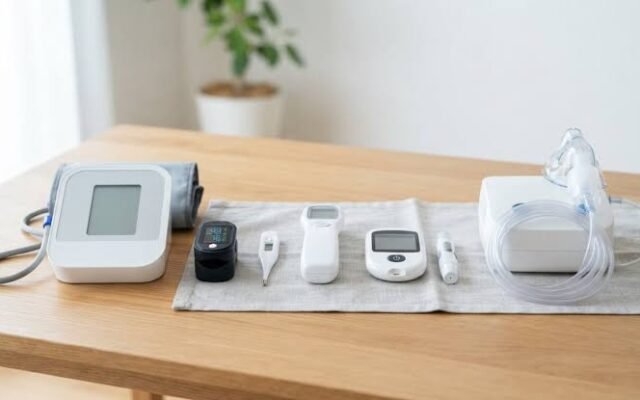
A digital thermometer helps measure body temperature when someone feels unwell. It can be especially useful for households with children, older adults, or family members who occasionally become sick. Digital thermometers are generally simple to use and often display results quickly.
When shopping for a thermometer, consider the display size, ease of cleaning, measurement method, and instructions provided by the manufacturer. Some models are designed for oral or underarm use, while others measure temperature at the forehead or ear. Different methods may produce different readings, so follow the product instructions carefully.
Keep the thermometer clean and store it safely after each use. If a temperature reading is concerning or is accompanied by severe symptoms, contact a healthcare professional. For infants, follow age-specific medical guidance rather than relying on a single reading alone.
Blood Pressure Monitor for Home Monitoring
A home blood pressure monitor can help people track their blood pressure when recommended by a healthcare professional. Monitoring at home may be particularly useful for people who have been diagnosed with high blood pressure or need regular measurements as part of their care plan.
Automatic upper-arm monitors are commonly recommended for home use because they can be easier to operate consistently. Before buying one, check the cuff size, display readability, memory features, and whether the device has been independently validated for accuracy.
For more reliable readings, sit quietly for several minutes before measuring, keep your feet flat on the floor, support your arm at heart level, and follow the monitor’s instructions. Take readings as advised by your healthcare professional and keep a record to discuss during appointments. Do not change prescribed medication based on individual readings without medical guidance.
Hand Sanitizer and Handwashing Essentials
Good hand hygiene is a simple way to support everyday health. Keep soap and clean water available wherever possible, particularly in kitchens and bathrooms. Hand sanitizer can be a useful alternative when soap and water are not readily available.
When choosing an alcohol-based hand sanitizer, check that it contains an effective alcohol concentration and follow the label directions. Sanitizer may be less effective when hands are visibly dirty or greasy, so washing with soap and water is preferable in those situations.
Families with young children should store sanitizers out of reach and supervise their use. Hand hygiene products should be selected for practicality and safe use rather than fragrance or packaging alone. Keeping these essentials available can make it easier for everyone in the household to maintain a consistent routine.
Personal Hygiene Products for Daily Care
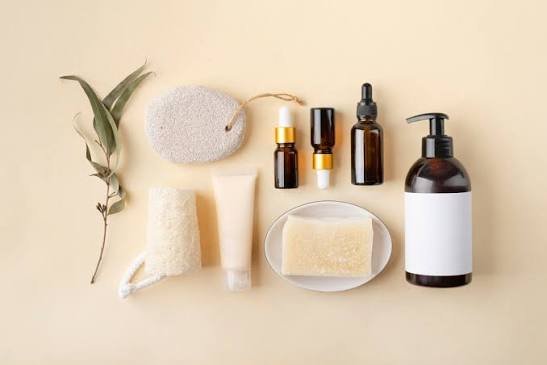
Personal hygiene products help support cleanliness and comfort throughout the day. Useful household essentials may include toothbrushes, fluoride toothpaste, dental floss, body wash or soap, shampoo, deodorant, and suitable skin-care products.
The right products vary by age, skin type, hair type, and personal preference. People with sensitive skin may prefer fragrance-free products, while those with specific dental or skin concerns may benefit from advice from a dentist, pharmacist, or healthcare professional.
Check product labels and expiry information where applicable. Avoid sharing personal items such as toothbrushes, razors, and certain grooming tools. Keeping daily hygiene products organized in a clean, dry location makes routines easier and helps prevent unnecessary waste.
A Well-Stocked Home Medicine Cabinet
A home medicine cabinet can be useful for storing essential, appropriately selected medicines and basic healthcare supplies. Depending on household needs, it may include commonly used over-the-counter medicines, oral rehydration salts, and other products recommended by a pharmacist or healthcare professional.
Choose medicines according to the intended user and read the label carefully for dosage instructions, warnings, age restrictions, and possible interactions. Do not use prescription medication belonging to another person, and avoid taking multiple products that contain the same active ingredient.
Store medicines in their original packaging and follow the temperature and storage instructions. Keep them locked away from children and pets. Check expiry dates regularly and dispose of expired or unwanted medicines according to local pharmacy or health authority guidance. A medicine cabinet should support safe use, not encourage self-diagnosis or unnecessary medication.
Heating Pads and Cold Packs for Minor Aches
Reusable heating pads and cold packs can be useful for certain minor aches, muscle discomfort, and everyday bumps. Cold packs may help with some recent minor injuries, while gentle heat can provide temporary comfort for muscle tension or stiffness.
Choose products with clear instructions and suitable safety features. Always use a protective layer between the skin and a hot or cold pack, and follow the recommended application time. Never sleep with an electric heating pad switched on unless the manufacturer explicitly states that it is designed for that use.
People with reduced skin sensation, circulation problems, or particular medical conditions should seek professional advice before using heat or cold therapy. Severe pain, significant swelling, suspected fractures, or worsening symptoms may require medical evaluation.
Water Bottles and Hydration Accessories
Staying hydrated is an important part of daily wellness. Reusable water bottles make it easier to keep drinking water nearby at home, during work, or while exercising. Measuring bottles may also help people understand how much water they consume throughout the day.
Look for bottles that are easy to clean, leak-resistant, and made from materials intended for food and beverage use. Wide-mouth designs can make washing easier, while insulated bottles may help maintain drink temperature.
Water needs vary according to age, activity, climate, diet, and medical circumstances. Rather than following a rigid target that suits everyone, pay attention to thirst and relevant healthcare advice. People who have been instructed to limit fluids because of a medical condition should follow their clinician’s recommendations.
Air Purifier for Indoor Air Quality
An air purifier may be worth considering for households concerned about indoor particles, dust, pollen, or certain airborne pollutants. Models with appropriately sized high-efficiency particulate air (HEPA) filters can reduce many airborne particles when correctly selected and maintained.
Before buying an air purifier, check the recommended room size, clean-air delivery rate, filter replacement cost, noise level, and ongoing electricity use. A unit that is too small for the room may not provide the expected performance.
Air purifiers do not remove every type of pollutant and should not replace adequate ventilation, regular cleaning, or the elimination of indoor smoke sources. If you choose a model, follow its maintenance schedule and replace filters as recommended by the manufacturer.
Humidifier for Dry Indoor Air
A humidifier adds moisture to indoor air and may provide comfort when the air is unusually dry. Some households find one useful during dry weather or when indoor heating contributes to low humidity.
Select a model that is easy to clean, suitable for the room size, and simple to maintain. Follow the manufacturer’s instructions for water type, cleaning frequency, and filter replacement. Poorly maintained humidifiers can spread microorganisms or minerals into the air, so regular cleaning is essential.
Excessive humidity can encourage mold and dust mites. A humidity monitor can help you keep indoor humidity at a comfortable level; many households aim for approximately 30% to 50%, while adjusting for local conditions and individual needs. A humidifier is not necessary for every home and will not treat the underlying cause of persistent breathing problems.
Sleep Masks and Earplugs for Better Rest
Quality sleep supports concentration, mood, and everyday functioning. Sleep masks and comfortable earplugs can help some people reduce light or noise disturbances, particularly when sharing a bedroom, working shifts, or travelling.
Choose a sleep mask with a comfortable fit and a fabric that is gentle on the skin. Earplugs should fit properly and be used according to the manufacturer’s instructions. Keep reusable products clean and replace them when worn or damaged.
These accessories may make a sleeping environment more comfortable, but they cannot correct every cause of poor sleep. A consistent bedtime, a quiet and comfortable room, and reduced screen exposure before bed can also help. Persistent insomnia, loud snoring with breathing pauses, or severe daytime sleepiness should be discussed with a healthcare professional.
Sunscreen and Basic Sun Protection
Sunscreen is a useful personal care product for protecting exposed skin from ultraviolet radiation. Broad-spectrum sunscreen with SPF 30 or higher is commonly recommended for everyday sun protection. Hats, protective clothing, shade, and avoiding intense midday sun can provide additional protection.
Choose a sunscreen that suits your skin type and intended activity. Follow the product label for application, reapplication, and water resistance. Sunscreen needs to be reapplied as directed, especially after swimming, sweating, or towel drying.
Check the expiry date and discard products that have changed noticeably in smell, texture, or appearance. Sunscreen is one part of a wider sun-safety routine and should not be used as a reason to stay in intense sunlight for longer.
Pill Organizer for Managing Medication Routines
A pill organizer can help adults keep track of medicines and supplements when they take multiple products or follow a regular schedule. Some organizers have separate compartments for different days or times, making it easier to see whether a dose has been prepared.
Choose a design that suits the person’s routine, eyesight, dexterity, and medication needs. Before transferring any medicine out of its original packaging, check with a pharmacist whether it is suitable for organizer storage. Some medicines need special packaging or protection from moisture and light.
A pill organizer does not determine which medicine should be taken or how much to use. Always follow the prescription label and professional instructions. Keep the organizer secured away from children, and avoid using it in ways that could confuse different household members’ medicines.
Fitness and Stretching Accessories
Simple fitness accessories can make it easier to stay active at home. Resistance bands, yoga mats, skipping ropes, and lightweight exercise equipment may support strength, flexibility, balance, or cardiovascular activity depending on how they are used.
When selecting equipment, consider available space, durability, comfort, and your fitness level. Check resistance bands for cracks or damage before use, and choose a stable surface for stretching or floor exercises. Beginners should start gradually and learn proper technique rather than immediately attempting difficult routines.
Exercise needs differ according to age, ability, and health status. People with existing injuries or medical concerns may need guidance before beginning a new routine. A regular walking habit and body-weight exercises can also be effective, so expensive equipment is not essential for everyone.
How to Choose Quality Health and Wellness Products
The most useful health products are those that meet a genuine household need and can be used safely. Start by identifying the items your family is most likely to use, then compare reputable brands and product specifications. Avoid buying devices or supplements solely because they are trending online.
Read labels and instruction manuals carefully. For medical devices, look for relevant regulatory information and independent validation where applicable. For personal care products, check ingredients and potential allergens. For medicines and supplements, pay attention to warnings, dosage instructions, expiry dates, and interactions.
Customer reviews can provide information about convenience and durability, but they cannot prove medical effectiveness or guarantee safety. For products used to monitor health or manage a medical condition, professional recommendations and reliable product information are more important than promotional claims.
How to Save Money on Health and Wellness Products
Health essentials can become expensive when you purchase them regularly, but careful planning can help reduce costs without compromising safety. Make a list of items you genuinely need, check what you already have at home, and compare prices from reputable retailers before ordering.
Compare the total cost rather than just the advertised price. Delivery fees, replacement filters, batteries, refills, and other maintenance expenses can make a cheaper product more expensive over time. For consumable products, check the expiry date and buy quantities you can reasonably use.
You can also visit instantdealsoffer to explore available health and wellness deals, discount codes, and promotional offers. Before using a coupon, read its terms, check which products qualify, and confirm that the discount appears at checkout. Offers can change, so do not assume a code is valid until the retailer accepts it.
Never compromise on essential product quality or buy unnecessary supplements simply to reach a minimum spending threshold. The best deal is one that saves money on a product you actually need.
Conclusion
Keeping useful health and wellness products at home can make everyday care more convenient and help families stay organized. A first-aid kit, digital thermometer, suitable hygiene products, and carefully selected household health supplies are practical starting points. Depending on your needs, you may also consider a blood pressure monitor, air purifier, hydration accessories, or simple fitness equipment.
Every household is different, so focus on products that serve a clear purpose, follow their instructions, and maintain them properly. Medical devices and medicines should be chosen carefully, and professional advice is important whenever a health concern requires assessment or treatment.
To make your shopping more budget-friendly, compare product features, long-term costs, and retailer policies before purchasing. You can explore available offers through instantdealsoffer and verify each discount at checkout. With thoughtful choices, you can create a practical home wellness setup that supports your family’s everyday needs.