Introduction
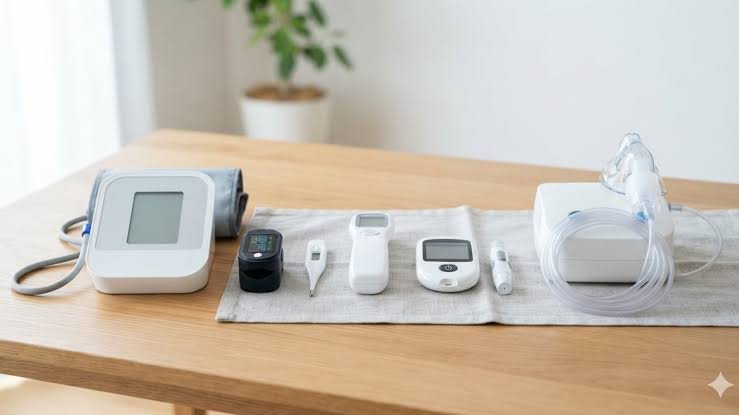
Having the right medical equipment at home can make everyday health monitoring and basic care more convenient. From checking body temperature to measuring blood pressure, a few carefully selected health devices can help families keep track of important measurements and recognize when professional medical advice may be needed. Home medical equipment can be particularly useful for households with children, older adults, or family members who have been advised to monitor a specific health condition.
In 2026, many home medical devices are designed to be easy to use, with digital displays, automatic readings, memory functions, and portable designs. However, not every household needs every device. The most suitable equipment depends on individual health needs, budget, available space, and advice from healthcare professionals.
This guide explores essential home medical equipment, explains what to consider before purchasing, and shares practical tips for choosing reliable devices. It also covers safe usage, maintenance, and ways to compare prices when shopping online.
Digital Thermometer for Measuring Body Temperature
A digital thermometer is one of the most practical medical devices to keep at home. It measures body temperature and can help you determine whether someone may have a fever. A thermometer can be especially useful when a child or adult feels unwell, although temperature readings should always be considered alongside other symptoms.
Several types are available, including digital oral thermometers, underarm thermometers, forehead thermometers, and ear thermometers. Each type has specific instructions, and readings can vary depending on the measurement method and the user’s age.
When buying a thermometer, consider its accuracy information, ease of cleaning, display size, battery life, and measurement speed. Follow the manufacturer’s instructions for correct placement and use. Clean the device as directed and store it in a protective case if one is provided.
A thermometer cannot diagnose the cause of a fever. Seek medical advice when symptoms are severe, persistent, or concerning. For very young infants, follow age-specific medical guidance promptly rather than relying on a home reading alone.
Digital Blood Pressure Monitor
A digital blood pressure monitor can be useful for people who need to track their blood pressure at home. It measures systolic and diastolic blood pressure and usually displays the pulse rate as well. Home monitoring may help healthcare professionals understand blood pressure patterns between appointments.
Automatic upper-arm monitors are commonly recommended for home use when a suitable cuff is available. Before buying one, check that the device has been independently validated, the cuff fits the user’s arm, and the display is easy to read.
For more consistent readings, sit quietly for about five minutes before measuring, keep your feet flat on the floor, support your back and arm, and avoid talking during the measurement. Follow your healthcare professional’s instructions about how often to check and how to record the results.
Do not change prescribed medication based on one reading without professional guidance. If readings are repeatedly high or unusually low, discuss them with a healthcare professional. Extremely high readings accompanied by symptoms such as chest pain, difficulty breathing, weakness, or confusion require emergency medical attention.
Blood Glucose Meter for Diabetes Monitoring
A blood glucose meter measures the amount of glucose in a small blood sample. It can be an important tool for people with diabetes who have been advised to monitor their blood sugar levels at home.
Most meters use compatible test strips and a small lancing device to collect a blood sample from the fingertip. Some models store previous readings, show averages, or connect to an app to help users keep track of results.
When choosing a glucose meter, check the price and availability of compatible test strips, ease of use, display readability, memory functions, and manufacturer instructions. The ongoing cost of test strips can be just as important as the initial price of the device.
Use the meter according to your healthcare professional’s instructions and the manufacturer’s guidance. Wash and dry your hands before testing, use the correct test strips, and never share lancing devices. A glucose meter supports diabetes management but does not replace medical appointments or an individualized treatment plan.
Pulse Oximeter for Measuring Blood Oxygen
A pulse oximeter is a small device that usually clips onto a fingertip to estimate blood oxygen saturation and pulse rate. It may be useful for certain people who have been advised by a healthcare professional to monitor these measurements at home.
When shopping for a pulse oximeter, consider the display, fit, ease of use, battery life, and product reliability. Some devices include additional features, but a large number of features does not automatically mean a device is more accurate.
Several factors can affect readings, including cold hands, movement, poor circulation, nail products, and skin pigmentation. A pulse oximeter may also provide misleading readings in some circumstances, so a normal result does not always mean that everything is fine.
Use the device only as directed and follow any personal monitoring plan provided by a healthcare professional. Do not delay urgent care because of a reassuring reading if someone has serious symptoms, such as severe breathing difficulty, blue or grey lips, confusion, or chest pain.
Digital Weighing Scale for Tracking Body Weight
A digital weighing scale can help people monitor changes in body weight over time. It may be useful when tracking a fitness goal or when a healthcare professional has recommended regular weight monitoring as part of a care plan.
Modern scales may include features such as large displays, automatic shut-off, memory functions, and smartphone connectivity. Some models estimate body composition, but these measurements can be imprecise and should not be treated as a medical diagnosis.
For more consistent results, use the scale on a hard, level surface and follow the manufacturer’s instructions. If you track your weight, try to measure under similar conditions each time rather than reacting to normal daily fluctuations.
Weight is only one aspect of health. A scale cannot independently determine fitness, nutritional status, or overall well-being. Choose a device that supports your goals without encouraging unnecessary concern about ordinary changes in weight.
Nebulizer for Prescribed Respiratory Treatment
A nebulizer converts liquid medication prescribed for inhalation into a mist that can be breathed through a mouthpiece or mask. Healthcare professionals may recommend nebulizers for certain respiratory conditions when this delivery method is appropriate.
Common types include compressor nebulizers, mesh nebulizers, and other portable designs. When choosing a device, consider the prescribed treatment, medication compatibility, noise level, portability, cleaning requirements, and replacement-part availability.
Use only medication intended for the device and prescribed or recommended by a qualified healthcare professional. Do not put essential oils, homemade mixtures, or other unapproved liquids into a nebulizer.
Cleaning and drying the medication cup and other reusable parts according to the manufacturer’s instructions is essential. Poor maintenance can lead to contamination or reduced performance. A nebulizer does not replace an emergency treatment plan, and severe breathing difficulty requires urgent medical attention.
Heating Pad for Temporary Muscle Discomfort
A heating pad can provide temporary comfort for certain types of muscle stiffness or minor aches. Electric heating pads often include adjustable heat settings and automatic shut-off features, while reusable heat packs may provide a simpler alternative.
Before purchasing, check the safety instructions, available temperature settings, fabric comfort, cable quality if applicable, and automatic shut-off features. Select a size that suits the intended area and is easy to handle.
Use a protective layer between the heat source and your skin, and follow the manufacturer’s time limits. Avoid applying heat to areas with reduced sensation or poor circulation unless a healthcare professional advises that it is appropriate. Never use a damaged electric heating pad, and do not sleep with one switched on unless the manufacturer explicitly permits it.
Heating pads offer temporary comfort, not a diagnosis or cure. Severe, persistent, or unexplained pain should be evaluated by a healthcare professional.
Cold Packs for Minor Injuries
Reusable cold packs can be useful for certain minor bumps, sprains, and swelling. Cold therapy may help reduce discomfort after some injuries, particularly when used appropriately soon after the injury occurs.
Cold packs come in flexible gel designs, instant-use versions, and reusable products that can be chilled in a freezer. Choose a pack that fits the intended area and has clear instructions for safe application.
Never place a frozen pack directly against bare skin. Wrap it in a thin cloth and follow the manufacturer’s recommended application time. Stop using it if the skin becomes painful, unusually pale, or numb.
Cold packs are not suitable for every injury. Severe swelling, deformity, inability to bear weight, suspected fractures, or significant injuries may require professional evaluation. Avoid using cold therapy as a reason to delay necessary medical care.
First-Aid Kit and Essential Medical Supplies
A well-organized first-aid kit is an important part of home preparedness. It can provide supplies for basic care of minor cuts, scrapes, and other small injuries while you assess whether additional treatment is needed.
Useful items may include adhesive bandages, sterile gauze, medical tape, disposable gloves, sterile wound dressings, blunt-tipped scissors, tweezers, and a basic first-aid instruction guide. Include supplies appropriate for your household and check them regularly.
Keep the kit in a clean, dry location that adults can reach quickly but children cannot access. Replace items that have been used, damaged, or expired. Make sure household members know where the kit is stored.
A first-aid kit is not a replacement for emergency services or professional medical care. Learn basic first-aid skills from a reputable training provider, and seek urgent help for serious bleeding, severe burns, suspected fractures, breathing problems, or other emergencies.
Digital Body Thermometer Accessories and Hygiene Supplies
Alongside medical devices, hygiene accessories can help keep home health equipment clean and ready for use. Depending on the device, useful supplies may include disposable protective covers, manufacturer-approved cleaning products, lint-free cloths, and storage cases.
Always check which cleaning methods are suitable for your device. Some equipment can be damaged by strong chemicals, excess moisture, or unsuitable disinfectants. Follow the manufacturer’s guidance rather than assuming that the same cleaning product works for every device.
Do not share items that come into direct contact with blood or other bodily fluids unless they are designed for safe shared use and properly disinfected. For glucose monitoring, never share lancing devices, and follow instructions for handling lancets and used test strips.
Organizing accessories in a dedicated container helps prevent misplaced parts and makes routine maintenance easier.
Medical Equipment Storage and Organization
Proper storage helps protect home medical equipment from damage and makes it easier to find when needed. Keep devices in a dry, clean area away from excessive heat, direct sunlight, moisture, and conditions prohibited by the manufacturer.
Store small accessories, such as blood pressure cuffs, thermometer covers, glucose test strips, and charging cables, together with their corresponding devices. Keep instruction manuals and warranty details in an accessible location.
Medicines, lancets, batteries, and other potentially hazardous supplies should be stored securely away from children and pets. Follow specific storage instructions for temperature-sensitive products and check expiry dates where applicable.
A simple checklist can help you keep track of battery levels, cleaning schedules, replacement parts, and expiry dates. Well-organized storage can improve convenience without requiring an expensive storage system.
How to Choose Reliable Home Medical Equipment
The best home medical equipment is suitable for the intended user, easy to operate, and reliable for the task it is designed to perform. Start by identifying the specific need rather than purchasing a device simply because it is popular or advertised as essential.
For medical monitoring devices, look for independent validation or recognized regulatory information where applicable. Read the manufacturer’s specifications, instructions, warranty, and maintenance requirements. Make sure the device is appropriate for the user’s age and any relevant physical needs.
For devices that require consumables, such as glucose meters, check the ongoing cost and availability of compatible supplies. Consider the cost of replacement cuffs, filters, sensors, batteries, and other accessories before making a decision.
Customer reviews may help you assess ease of use and durability, but they do not establish medical accuracy. When a device will be used to manage a health condition, ask a healthcare professional to recommend a suitable model and explain how to use it correctly.
Common Mistakes to Avoid When Buying Medical Devices
One common mistake is choosing a device based only on price or the number of features it offers. A low-cost device may be unsuitable for your needs, while a more expensive model may include functions you will never use.
Another mistake is ignoring cuff sizes, compatible accessories, or maintenance costs. For example, a blood pressure monitor with the wrong cuff size may produce unreliable measurements, and a glucose meter can become expensive if its test strips are difficult to find.
Avoid relying on medical devices to diagnose conditions independently. A home reading can be affected by technique, device limitations, or the user’s circumstances. Follow professional advice about how to interpret results and when to seek help.
Finally, do not ignore the instruction manual. Correct positioning, cleaning, calibration where applicable, and routine maintenance can affect device performance and safety.
How to Save Money on Home Medical Equipment
Home medical equipment can be a significant expense, but comparing products carefully can help you make a better purchase. Start by identifying the features you need and comparing suitable models from reputable retailers.
Check the total cost, including shipping, batteries, replacement parts, accessories, and warranties. A device with a lower initial price may cost more over time if its consumables are expensive or difficult to obtain.
Look for legitimate seasonal promotions, manufacturer discounts, and eligible coupon codes. You can also explore available health and wellness deals on instantdealsoffer to compare promotional offers. Check each coupon’s terms and confirm that the discount appears at checkout before paying.
Avoid purchasing medical devices from unknown sellers simply because the price is unusually low. Counterfeit, poorly maintained, or unsuitable devices may create safety risks. For important medical equipment, reliability and suitability should take priority over the biggest advertised discount.
Conclusion
The best home medical equipment depends on your household’s needs. A digital thermometer and a basic first-aid kit are useful starting points for many families, while a blood pressure monitor, glucose meter, or pulse oximeter may be appropriate when there is a specific reason to monitor those measurements.
Choosing reliable equipment, learning how to use it properly, and following maintenance instructions can help you get more value from your purchase. Home devices can support monitoring and basic care, but they do not replace professional diagnosis, treatment, or emergency services.
Before purchasing, compare specifications, ongoing costs, warranty coverage, and product reliability. You can explore available health product deals through instantdealsoffer, but always verify the offer and buy from reputable retailers. With careful planning, you can build a practical home medical setup that supports your family’s needs without unnecessary spending.