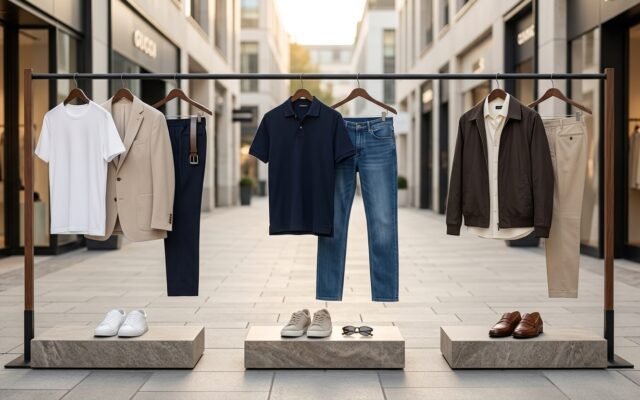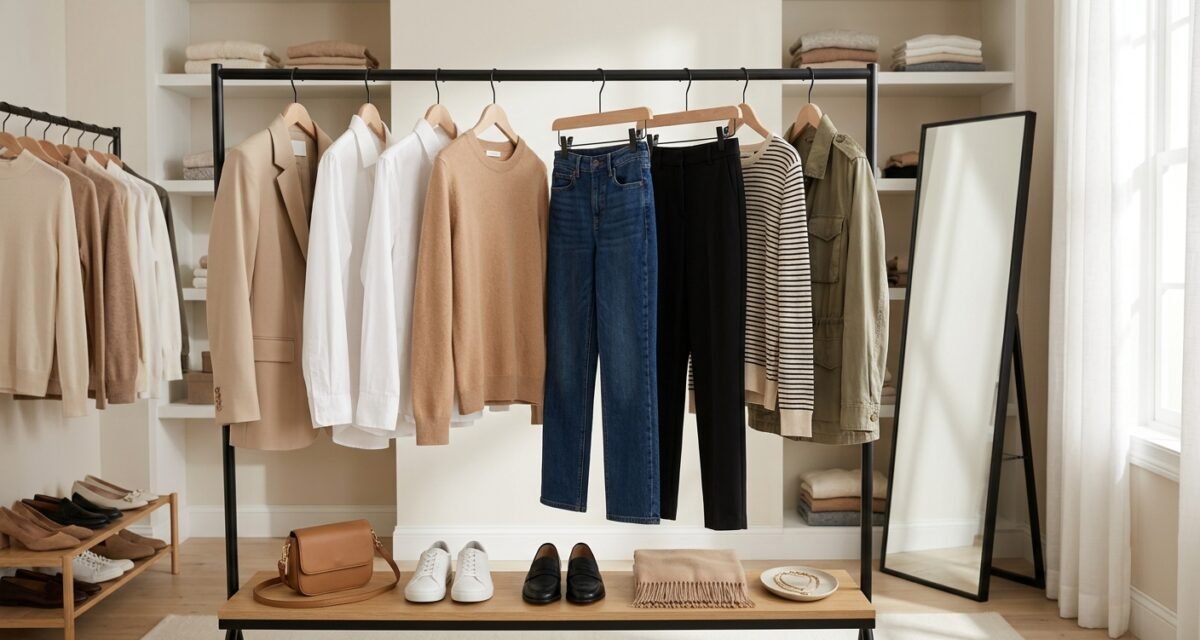
Building a stylish wardrobe does not require spending a fortune on expensive designer clothes or following every new fashion trend. With smart shopping decisions, thoughtful planning, and a little creativity, you can create a fashionable wardrobe that reflects your personal style while staying within your budget. The key is to focus on versatile clothing essentials, choose quality items that last longer, and learn how to combine different pieces to create multiple outfits. By understanding your needs and shopping strategically, you can look polished and confident without overspending.
Start with Wardrobe Essentials
The first step toward building a stylish wardrobe is investing in essential clothing pieces that are easy to mix and match. Items such as plain T-shirts, white shirts, well-fitting jeans, tailored trousers, comfortable sweaters, and a versatile blazer can form the foundation of your wardrobe. Choose basic colors such as black, white, beige, navy, gray, and cream because they coordinate easily with other shades. Instead of purchasing several similar items, focus on pieces that work for different occasions. For example, a white shirt can be styled with jeans for a casual outing or paired with tailored trousers for a more formal appearance. Building your wardrobe around these essentials helps you create more outfits with fewer purchases.
Set a Realistic Clothing Budget
Before shopping, decide how much money you can comfortably spend on clothing each month or season. Creating a budget helps you avoid impulse purchases and prioritize the items you genuinely need. Make a list of wardrobe gaps, such as everyday shoes, a winter jacket, or workwear essentials, and focus on those items first. You can divide your budget between everyday clothing, footwear, accessories, and occasional statement pieces. It is also helpful to leave a small amount for unexpected needs or particularly good deals. Tracking your purchases can show you where your money goes and help you make better decisions in the future. A clear budget allows you to enjoy fashion while keeping your finances under control.
Shop Seasonal Sales and Discount Offers
Shopping during seasonal sales is one of the easiest ways to find fashionable clothing at lower prices. Retailers often offer discounts during end-of-season clearances, holiday promotions, Black Friday, and other special shopping events. These opportunities can help you purchase coats, jackets, dresses, shoes, and wardrobe basics for less than their regular prices. Before making a purchase, compare prices across different stores and check whether the advertised discount represents a genuine saving. You can also look for verified fashion discount codes, coupon codes, and promo codes on shopping websites such as instantdealsoffer. However, avoid buying something simply because it is on sale. A discounted item only offers value when you actually need it, like it, and expect to wear it regularly.
Choose Quality Over Quantity
A budget-friendly wardrobe is not necessarily the wardrobe with the cheapest clothes. Sometimes, purchasing a well-made item that lasts longer is more economical than repeatedly replacing a poorly made alternative. When shopping, inspect fabric quality, stitching, buttons, zippers, and seams. Cotton, denim, wool blends, and other suitable materials can be good choices depending on the garment and how you plan to use it. Read product reviews when shopping online and check sizing charts before ordering. You do not need to purchase premium brands to find durable clothing; affordable retailers also offer well-made basics. Focus on comfort, fit, versatility, and durability rather than the brand name or original retail price.
Mix and Match Your Existing Clothes
One of the smartest ways to save money on fashion is to create new combinations using clothes you already own. A single pair of jeans can be styled with a T-shirt, a blouse, a sweater, or a blazer to create several different looks. Similarly, a basic black dress can be worn with sneakers during the day or dressed up with elegant shoes and jewelry for an evening event. Experiment with layering, rolling up sleeves, tucking in shirts, and changing accessories to refresh familiar outfits. Taking photographs of combinations you like can also make getting dressed easier. By learning to mix and match, you can make your wardrobe feel more extensive without purchasing additional clothing.
Explore Thrift Stores and Secondhand Fashion
Secondhand shops, thrift stores, resale websites, and clothing swaps can be excellent sources of affordable fashion. You may find unique jackets, denim, handbags, dresses, and accessories at prices lower than those of comparable new items. Shopping secondhand can also help reduce textile waste by extending the useful life of clothing. When purchasing used items, carefully inspect their condition, including seams, stains, zippers, fabric wear, and missing buttons. For online purchases, review seller ratings, product photographs, return conditions, and measurements. Be patient because finding the right size and style may take time. With careful selection, secondhand shopping can help you build a distinctive wardrobe without exceeding your budget.
Use Accessories to Refresh Simple Outfits
Accessories can transform a simple outfit without requiring you to buy an entirely new set of clothes. A structured handbag, classic belt, stylish sunglasses, delicate necklace, or elegant watch can make basic clothing look more polished. Neutral accessories are especially useful because they work with many colors and styles. You can also use scarves, hair clips, and statement earrings to add variety to outfits you wear frequently. Instead of purchasing every trending accessory, choose a few versatile pieces that suit your lifestyle and complement your existing wardrobe. This approach helps you create different looks while keeping your fashion spending manageable.
Avoid Impulse Buying and Fast-Fashion Traps
Trends can be exciting, but buying every fashionable item you see can quickly increase your clothing expenses. Before making a purchase, ask yourself whether the item fits properly, matches at least three pieces in your current wardrobe, and suits your everyday lifestyle. Consider waiting a day or two before buying nonessential items to determine whether you genuinely want them. Unsubscribe from promotional messages that encourage unnecessary spending, and avoid adding products to your cart simply to qualify for free shipping unless the overall purchase makes financial sense. You can still enjoy current fashion trends by incorporating one or two affordable pieces into a wardrobe built around timeless essentials.
Take Care of Your Clothing
Looking stylish on a budget also means making your existing clothes last longer. Follow washing instructions, use appropriate detergents, avoid unnecessary high-temperature washing, and store garments properly. Fold knitwear to help prevent stretching, hang suitable garments on appropriate hangers, and keep shoes clean and dry. Small repairs, such as replacing a button, fixing a loose seam, or repairing a zipper, can extend the life of clothing that would otherwise be discarded. Removing lint, ironing or steaming garments when appropriate, and polishing shoes can also make affordable outfits look more refined. Good clothing care reduces replacement costs and helps you get more value from every purchase.
Create a Seasonal Shopping Plan
Planning your clothing purchases around the seasons can help you avoid unnecessary spending. At the beginning of each season, review your wardrobe and identify what you already have, what still fits, and what needs replacing. Purchase practical essentials first, such as weather-appropriate outerwear, comfortable shoes, and versatile layering pieces. Shop for next-season clothing during clearance periods when suitable items are available at reduced prices, but consider storage space and whether the items will still meet your needs. Keep a list of future purchases so that you can compare prices and wait for worthwhile offers instead of shopping at the last minute. A seasonal plan helps you stay organized, prepared, and within budget throughout the year.
Final Thoughts
Building a stylish wardrobe on a budget is about making thoughtful choices rather than buying more clothes. Start with versatile basics, establish a realistic spending limit, compare prices, explore seasonal sales, and choose clothing that fits well and lasts. Use accessories to refresh existing outfits, consider secondhand options, and take proper care of everything you own. Most importantly, develop a personal style that makes you feel comfortable and confident instead of spending money trying to follow every trend. With smart planning and consistent shopping habits, you can create a practical, attractive wardrobe while keeping your expenses under control.